In a world that often feels divided, let today be a reminder that love is more than just romance—it is kindness, empathy, and connection. Love is the thread that binds us together, helping us see beyond differences and appreciate the true value of friendship, family, and understanding.
This day is not just about grand gestures but about the simple moments of care we show one another. It is a chance to teach and inspire the next generation to build meaningful relationships, cherish family bonds, and nurture emotional intelligence in a way that makes the world a little brighter.
May we all take a moment today to celebrate love in all its forms and let it guide us toward a future filled with more compassion and unity.
Narcissistic older people (including Presidents) who find new love or success often feel “reborn” and act like they’ve defied aging. They thrive on admiration, overestimate their abilities, and ignore limits, believing they are special. They might push too hard, chasing youth through relationships, big projects, or even their appearance. But when reality sets in—whether through rejection, failure, or physical decline—they often crash hard. Instead of adapting, they blame others, get angry, or spiral into reckless behavior. Because their self-worth depends on external validation, they struggle to cope with aging, making their downfall more dramatic and painful.
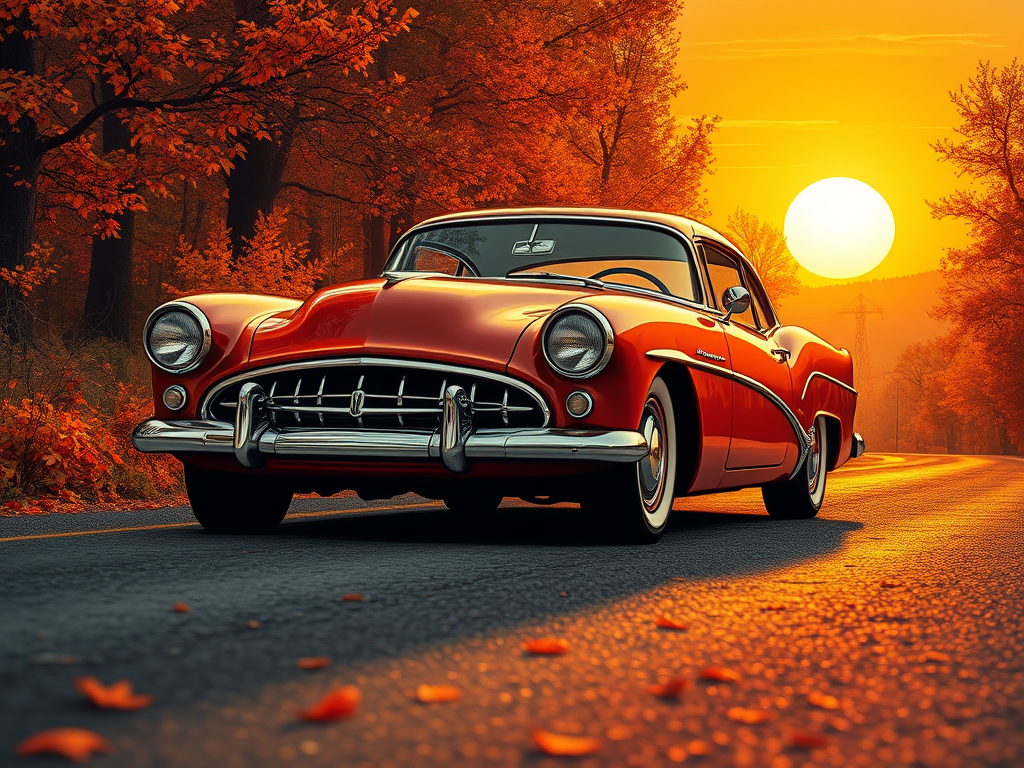
In comparison, an old car and a narcissistic older person both run their best right before they fail. They push hard, feel invincible, and ignore the warning signs. The car feels smooth because its worn parts are at their loosest. Similarly, the narcissist thrives on one last rush of admiration, energy, or love. But underneath, both are on borrowed time. When the final breakdown arrives, it is sudden. Its effects are often irreversible—a seized engine or a shattered ego. Both crash after their last great ride.
There was a time in high school when I was the target of a bully. Day after day, he and his group singled me out, thinking I was weak, an easy target. Like many others, I tolerated it for a while, maybe out of fear, maybe because I thought ignoring them would make them lose interest. But bullies don’t stop on their own. They feed on intimidation, on the idea that no one will fight back.
Then, one day, something inside me changed. I had had enough. Without even thinking, I found a strength I didn’t know existed. I struck back, and to my own surprise, I knocked him out cold. In that moment, everything shifted. The bully and his crew never came back to challenge me again.
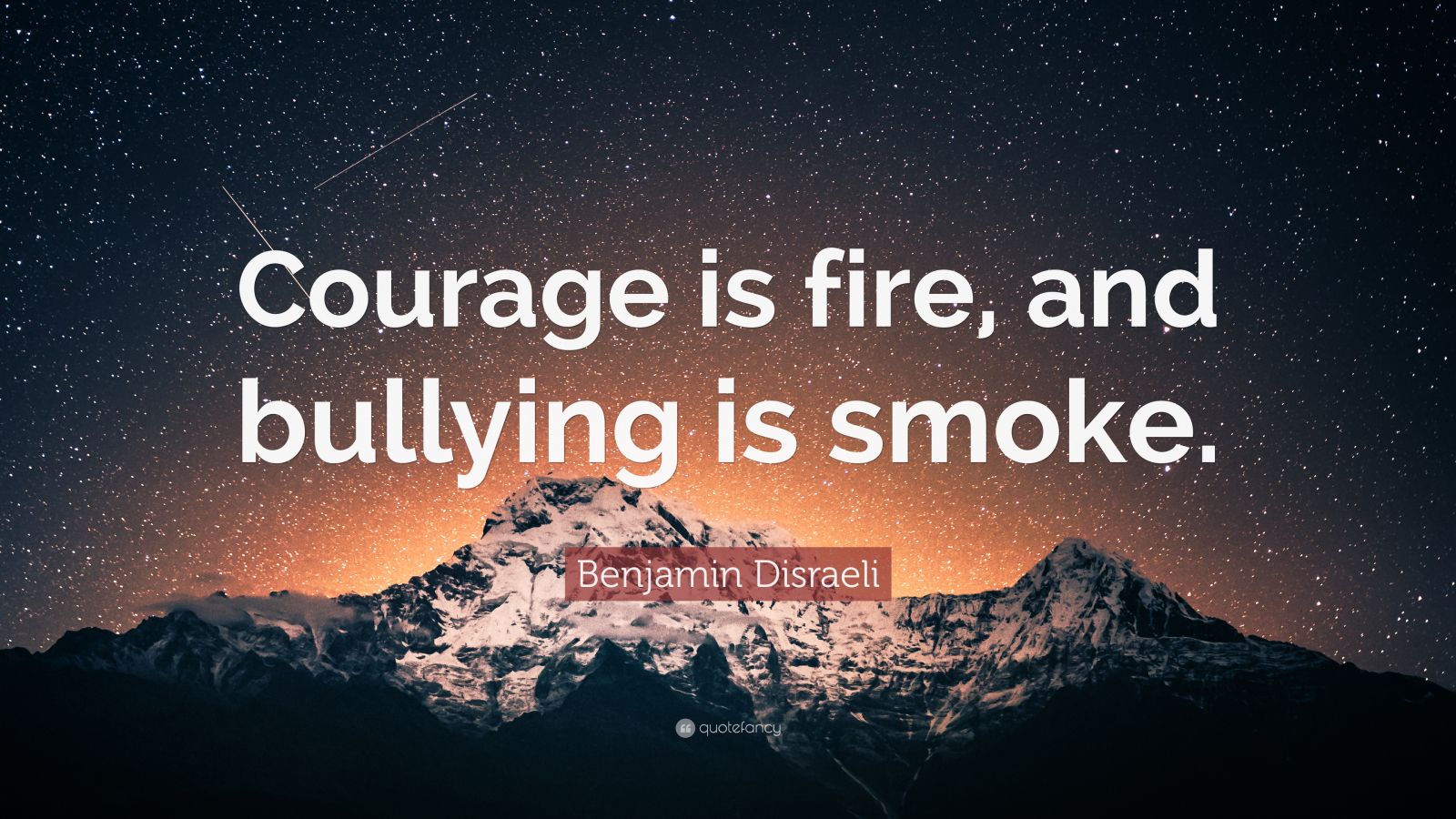
That day, I learned something powerful: fear is what keeps bullies in control. Once you break that fear, once you stand your ground, they lose their power over you. From that moment on, I was never afraid of being bullied again—not physically, not in life, not in any way. I understood that real strength doesn’t come from size or force—it comes from within.
But as I look at the world today, I see a different reality. Bullies don’t just back down like they used to. Many retaliate in ways we never imagined before—violence, social humiliation, even online harassment that follows people home. It’s no longer just a schoolyard fight; it’s a world were standing up to the wrong person can bring serious consequences. That’s why courage today needs to be paired with wisdom.
The lesson I learned still holds true: strength comes from within. But in today’s world, standing up to a bully isn’t just about fighting back—it’s about knowing when to stand your ground and when to walk away, when to use your voice and when to seek support. The fight isn’t always physical, but the battle for self-respect, dignity, and courage is still the same.
Bullies exist in all walks of life, but the most important thing I’ve learned. They only win if you let them.

 Embraceable Mind