Not every struggle is visible. Some people fight quietly through routines, structure, precision, and control over small things others barely notice.
A misplaced object. A changed pattern. An interrupted system.
To the outside world it can look insignificant. But internally, it can feel like the ground shifting beneath your feet.
Many people living with chronic illness, stress, trauma, anxiety, or neurological conditions learn to build invisible systems simply to stay balanced and functional.
The strongest people are often not the loudest ones. They are the ones silently adapting every single day while trying to make life look normal to everyone around them.
Sometimes the smallest habits are not habits at all.
“Studies indicate that conditions like Postural Orthostatic Tachycardia Syndrome (POTS) and Neurocardiogenic Syncope are significantly more prevalent in women. Estimates suggest that approximately 80% of individuals diagnosed with dysautonomia are female”.
Even though I am a male living with a rare form of Dysautonomia was never the path I expected life to take me down. Yet for the past four years, it has been my daily reality—a quiet, relentless battle with a condition that most people have never heard of and even fewer truly understand. I live with severe neurogenic orthostatic hypotension, a condition where standing up can cause my blood pressure to plummet, leaving me dizzy, weak, or faint. It is a disabling condition made even harder by its invisibility.
Despite a regimen of treatments—midodrine, fludrocortisone, and droxidopa—relief remains elusive. In fact, droxidopa, though rare and promising for some, caused me dangerous side effects: sudden spikes in blood pressure as high as 220, alarming weakness on the right side of my body, and other complications that forced me to stop the medication altogether. These experiences aren’t just clinical—they’re frightening, isolating, and exhausting.
Even those closest to me sometimes struggle to understand the invisible toll this takes. When every movement is calculated, when standing feels risky, when even sitting upright for too long becomes a challenge—it is hard to explain that to a world that sees you as “looking fine.”
This foreword is not just about my journey. It’s for everyone living with misunderstood, invisible illnesses. Stabilizing blood pressure is more than a medical goal—it’s a fight for autonomy, dignity, and the ability to simply move through the day. If you’re living in that space too, I hope the strategies in this guide offer more than information—I hope they offer solidarity, strength, and a reminder: you are not alone.
Studies indicate that conditions like Postural Orthostatic Tachycardia Syndrome (POTS) and Neurocardiogenic Syncope are significantly more prevalent in women. Estimates suggest that approximately 80% of individuals diagnosed with dysautonomia are female.
Understanding the Gravity–Blood Pressure Connection
Gravity naturally pulls blood downward when a person stands, reducing blood return to the heart and brain. In healthy individuals, the baroreceptor reflex detects this drop and compensates by increasing heart rate and constricting blood vessels. But in those with autonomic impairment, this response is delayed or insufficient, causing symptoms such as dizziness or fainting. Common culprits include:
Orthostatic Hypotension (OH): A significant drop in blood pressure upon standing due to autonomic failure or medication side effects.
Postural Orthostatic Tachycardia Syndrome (POTS): Characterized by rapid heart rate increases upon standing, often with blood pressure instability.
Hypertension with Positional Variability: High blood pressure complicated by sudden drops when standing.
Dysautonomia: A broader term for autonomic nervous system dysfunction affecting blood pressure regulation.
Proven Strategies to Stabilize Blood Pressure
1. Change Positions Gradually
Sit up slowly before standing. Pause between movements to allow your body to adjust and reduce risk of sudden drops.
2. Use Compression Garments
Waist-high compression stockings or abdominal binders help prevent blood pooling in the lower body, supporting stable circulation.
3. Maintain Hydration
Aim for 2–2.5 liters of fluids per day. Use electrolyte-rich drinks when necessary, especially after exercise or in warm climates.
4. Engage in Physical Activity
Moderate, regular exercise improves vascular tone and autonomic response but with the low BP it’s a challenge. Focus on low-impact activities like walking I chose to do this in large shopping malls or city environment where easy access to SEATING AREA‘s, Or controlled exercises that do not cause orthostatic stress, such as reclined exercises like stretches, yoga and gentle weight lifting done from a seated or laying down position, recumbent biking, rowing, and swimming.
6. Consider Medications
Prescription that work for me options include:
Fludrocortisone to increase fluid retention
Midodrine to constrict blood vessels
7. Avoid Large Meals
Large meals redirect blood flow to digestion, which can lower overall blood pressure. Choose smaller, more frequent meals.
8. Use Caffeine Strategically
In small amounts, caffeine may temporarily raise blood pressure. Monitor your body’s response and avoid overuse.
9. Manage Stress and Mental Health
Stress and anxiety are powerful disruptors of cardiovascular balance. Practices like deep breathing, mindfulness, meditation, yoga, and tai chi calm the nervous system and boost overall cardiovascular resilience. Prioritizing emotional wellness is key to managing the physiological stress of blood pressure fluctuations.
Monitoring and Long-Term Management
Regular tracking empowers better management:
Check blood pressure lying down, then again after 1 and 3 minutes standing.
Keep a log of readings and symptoms to identify trends.
Share results regularly with your healthcare provider for more precise treatment planning.
Conclusion
Gravity is an unavoidable force that influences blood pressure regulation, especially during position changes. For individuals with conditions such as orthostatic hypotension, POTS, or autonomic dysfunction, this natural force can trigger daily challenges like dizziness, fatigue, and fainting. But gravity is not the only factor—mental and emotional stress often compound the problem, creating a cycle of tension and instability that undermines the body’s ability to self-regulate.
When the body is under chronic mental strain, it produces hormonal responses that can destabilize blood pressure, particularly in vulnerable individuals. That’s why emotional well-being is not optional—it’s essential. With a commitment to self-care, education, and consistent medical support, it’s possible to reclaim stability, one step at a time.
In essence, while gravity may test your body, unchecked stress tests your resilience. But both can be met with knowledge, preparation, and compassion. With the right tools and mindset, you can take back control, steady your blood pressure, and move through life with greater confidence and stability.
If you’re living in that space too, I hope the strategies in this guide offer more than information—I hope they offer solidarity, strength, and a reminder: you are not alone. just leave a message!!!
In a world that often feels divided, let today be a reminder that love is more than just romance—it is kindness, empathy, and connection. Love is the thread that binds us together, helping us see beyond differences and appreciate the true value of friendship, family, and understanding.
This day is not just about grand gestures but about the simple moments of care we show one another. It is a chance to teach and inspire the next generation to build meaningful relationships, cherish family bonds, and nurture emotional intelligence in a way that makes the world a little brighter.
May we all take a moment today to celebrate love in all its forms and let it guide us toward a future filled with more compassion and unity.
Narcissistic older people (including Presidents) who find new love or success often feel “reborn” and act like they’ve defied aging. They thrive on admiration, overestimate their abilities, and ignore limits, believing they are special. They might push too hard, chasing youth through relationships, big projects, or even their appearance. But when reality sets in—whether through rejection, failure, or physical decline—they often crash hard. Instead of adapting, they blame others, get angry, or spiral into reckless behavior. Because their self-worth depends on external validation, they struggle to cope with aging, making their downfall more dramatic and painful.
In comparison, an old car and a narcissistic older person both run their best right before they fail. They push hard, feel invincible, and ignore the warning signs. The car feels smooth because its worn parts are at their loosest. Similarly, the narcissist thrives on one last rush of admiration, energy, or love. But underneath, both are on borrowed time. When the final breakdown arrives, it is sudden. Its effects are often irreversible—a seized engine or a shattered ego. Both crash after their last great ride.
In our community, experience is seen not only as what happens to us but how we shape what happens into something meaningful. We believe that our collective journey is driven by action rooted in hope, not reaction grounded in fear. Our questions hold potential for change, and answering them requires talent, but it takes true insight to ask the questions that move us forward.
We strive to create a place where questions are valued as much as answers—a community where everyone feels safe to explore, challenge, and evolve. We don’t promise all the answers but aim to foster a space of curiosity, growth, and shared understanding. For us, learning from our values and traditions is key, but so is re-evaluating and expanding them together.
We believe in honoring diverse perspectives and finding strength in unity, focusing on the teachings of compassion and wisdom. Our goal is to help each person recognize and reclaim their potential, their worth, and their voice—guided by our shared belief in the power of each individual.
November is the month of Thanksgiving and the day itself comes around. As an entrepreneur and as a human being it is my favorite holiday of the year–by far. It is, of course, a refreshing pause from daily business tsuris, as well as the only holiday devoted to pure gratitude for… everything — all our abundance and our very existence.
But it is also a reminder that thankfulness is a key to business health. I’ve always believed it is the simple things that make for success in business. Not the brilliant, not the celebrated, not the strategically complex. One of those simple things is the act of saying “Thank you”. I always take time to say it, to mean it, to write it, to email it, even to tweet it. As I would like to put it “Gratitude can transform common days into thanksgivings, turn routine jobs into joy, and change ordinary opportunities into blessings.”
I genuinely am grateful, for all those who are supportive of making every step coming closer to success, particularly to those smart hard-working team members who make the difference, for their care in making my time efficient and specific. No matter how busy my day, how far or close I maybe be, I like to express my gratitude for their effort.
. It doesn’t just acknowledge someone’s effort, kindness, intent, or action. It recognizes the person himself. It’s even more important than acknowledging the principal person you are doing business with because it sets a tone for discussion.
I am thankful for the opportunity to thank you all my dearest love my children, my family, my friends, my team and all others close and far away. Happy Thanksgiving!
You eat a delicious, satisfying dinner, feel full to the brim, but when the beautiful question ‘Should we get dessert?’ comes around, it’s always a yes — satisfaction for the sweet moment but could dismay afterwards.
It’s true, we always have room for desserts, whether we indulge that sensation with dessert or not (kudos if you have the willpower) but the sweet sensation is an satisfaction for a moment. Satisfaction is a great feeling it comes and disappears. The sensation of (accomplished) satisfaction is addictive as sweet but it grows to stay.
This sensation or feeling is what our human body drives we are prewired to drive on the (sweet) primary success even the smallest s give you the drive for more even we are full. With the willpower we can control our next step to accomplish more as the taste of success is like our desert (but definitive healthier). Success is sweet and can be as addictive.
In our lives from young to the far end we need to remind our self that the smallest accomplishments are the mayor building block for who we are today and will be tomorrow and in the future. Tell Your Children sweet is appealing. But accomplishments create appetite and warrants success, thats is real sweet.
And lets try to remember “Happiness comes from accomplishments”
We all have to recognise that we all have weaknesses. I know I do. But I’m never willing to let them defeat me, or get me down. I have always sought to turn my disadvantages into advantages. For example, my dyslexia taught me to think differently, and solve problems in a unique way.
Richard Branson A to Z of business: W is for Weakness
I became a really good delegator early in life, and learned to find and work with people whose strengths balance my weaknesses.
By surrounding myself with fantastic people, who are brilliant in the areas where I struggle, we’ve managed to grow Virgin into the global group of businesses that it is today.
Image from Chase Jarvis
So instead of covering up your weaknesses and trying to sweep them under the rug, acknowledge them and start thinking about ways that you can use them to really benefit you.
(By Clara B, Freeman). Many who should be leaders are afraid to step up and become what they know in the bosoms of their existence, is their supernatural calling. It’s so much easier to remain followers. I don’t believe leaders are born, I think they are made to see things differently than others. I think leaders ‘see’ what others can’t even fathom.
What makes an effective, trusted and respected leader? What makes them special? There are the obvious dynamics of course; learning from life experiences, discipline, a strong work ethic and a core belief system. These core values stem from parental upbringing, environmental and behavioral observations and institutional learning, some of which are carried into adulthood.I learned morals, empathy, perseverance, faith and compassion from my mother. I learned to appreciate value of hard work and the almighty dollar from my dad. Daddy used to say as long as you work, you’re never broke. If daddy was alive today, he’d get a loving adult daughter rebuttal on that one:) We all have an affinity for learning from our parents who are our first teachers and more often than not, we tend to accept these lessons as truth.
As leaders age, there’s a tendency to not go along with the status quo as easily. Where the degree or certification is viewed as a prerequisite to great leadership advantages, these people who would be leaders know book sense and common sense are not always interchangeable and so they might consider an alternative and forge ahead to discover their own truths. If you’re a team player who is a follower in medicine, technology, the arts or any area of your living, and you carry an overwhelming desire to lead others in your heart; a desire to making something from nothing or make an impact in the lives of others, now is the time to believe in yourself and do what you feel you were created to do. Step away from the sameness and do that great thing you’ve always wanted to do. Trust and believe someone is waiting for you to lead the charge.
Leadership Qualities:
When you practice the golden rule of treating people the way you want to be treated, in business and in your personal life, you earn trust and belief from those looking to be a part of a winning team. To be an effective leader you must leave your ego at the door. Leaders don’t use their power to lord over or to belittle others. A true leader doesn’t use their power to abuse or demean; but to uplift, encourage and invoke creative solutions to challenging problems.
Don’t be aggressive in your leadership or quick to anger. Instead practice assertive decorum and lead by example. Don’t mix business with pleasure or give your employees ammunition to disrespect your leadership. Steve Harvey wrote a scolding and scorching letter to his employees recently, berating them for approaching him, whenever. Perhaps if he’d initiated a policy and procedure manual upon hiring, mandated to all of his employees, they might have gotten the memo that Mr. Harvey wasn’t their ‘ride and die’ but their employer. You show people how you want to be treated.
The more you know, the more you grow in the role of a leader. The visionaries, motivators and innovators in leadership positions are often led by their desire to see greatness in others and are willing to teach others what they have learned. If you have been sabotaging your leadership abilities because you are afraid of failure or even success in your new role, now’s the time to stop the madness of negativity and fear. Step out on faith and keep going. If you fail, try again and if you fail again, keep trying until you’ve given it all you got. Nothing hurts worse than never giving ‘U’ a chance.
Sometimes You Don’t Want The Responsibility
I spent over 30 years in a leadership position during my nursing career. There were many times I felt that I didn’t want the headache. Through trial and error of coping and strategizing on how to handle people attitudes and sensibilities, I got better at what I called my lot in life. I settled into my calling and people took notice. Over the years, I’ve spoken to patients and their family members, women and male co-workers seeking advice or a listening ear. I became someone I never asked to become…mentor, advisor, confidant, encourager and motivator.
I’ve always been sensitive to the needs of children, not only because I’m a mother, but because children are innocent and look to adults for their protection and unconditional love. I’ve advocated for the safety of children on the school grounds and in gang infested neighborhoods… I’ve sat in awe of the elder wisdom as I’ve bathed them and dressed their wounds, sat at their bedside to hear their stories of happiness and regret. I’ve heard about their childhoods, marriages and their love for nature and music. I’ve heard the unspoken yearning for human connection in their aged voices. No woman is an island and so we have to love ourselves enough. We have to choose our battles wisely, where our voices reach the furthest.
Women of a certain age were the catalyst for Authentic Woman in 2008. I wanted a place where women could share their stories and speak their truths. It was a mirror to the reflection of our younger selves who were quickly growing into our older selves. In writing, talking , hosting and connecting with women, the dynamic of the woman voice changed. Women from all over the world, every ethnicity and every age stop by here, either to read, comment, or grab an email address to share concerns and seek help in making an informed decision. I’ve welcomed every voice!
I don’t want to change my blog’s message. I wanted to extend the longevity of Authentic Woman and so I wrote Unleash Your Pearls Empowering Women’s Voices as an invitation to all women who want to share in the woman journey. This is a book from authentic life lessons, interactions with other women voices and from my heart on life challenges and its triumphs. If you haven’t gotten your copy of Unleash Your Pearls, contact me via the book’s email-unleashyourpearls@yahoo.com.
I hope that you continue to live your one special life on your terms and keep doing what makes you happy. I look forward to reading your comments and encourage you on your mission journey. I know you will make a positive impact in the minds and hearts of others.Because my journey has brought me to other avenues to explore in the phase of my living, I will be taking an indefinite leave from my blogs. I won’t leave social media entirely, but , for now, this is my final posting at Authentic Woman. My goal is to continue to do work that brings awareness and help empower the voiceless.







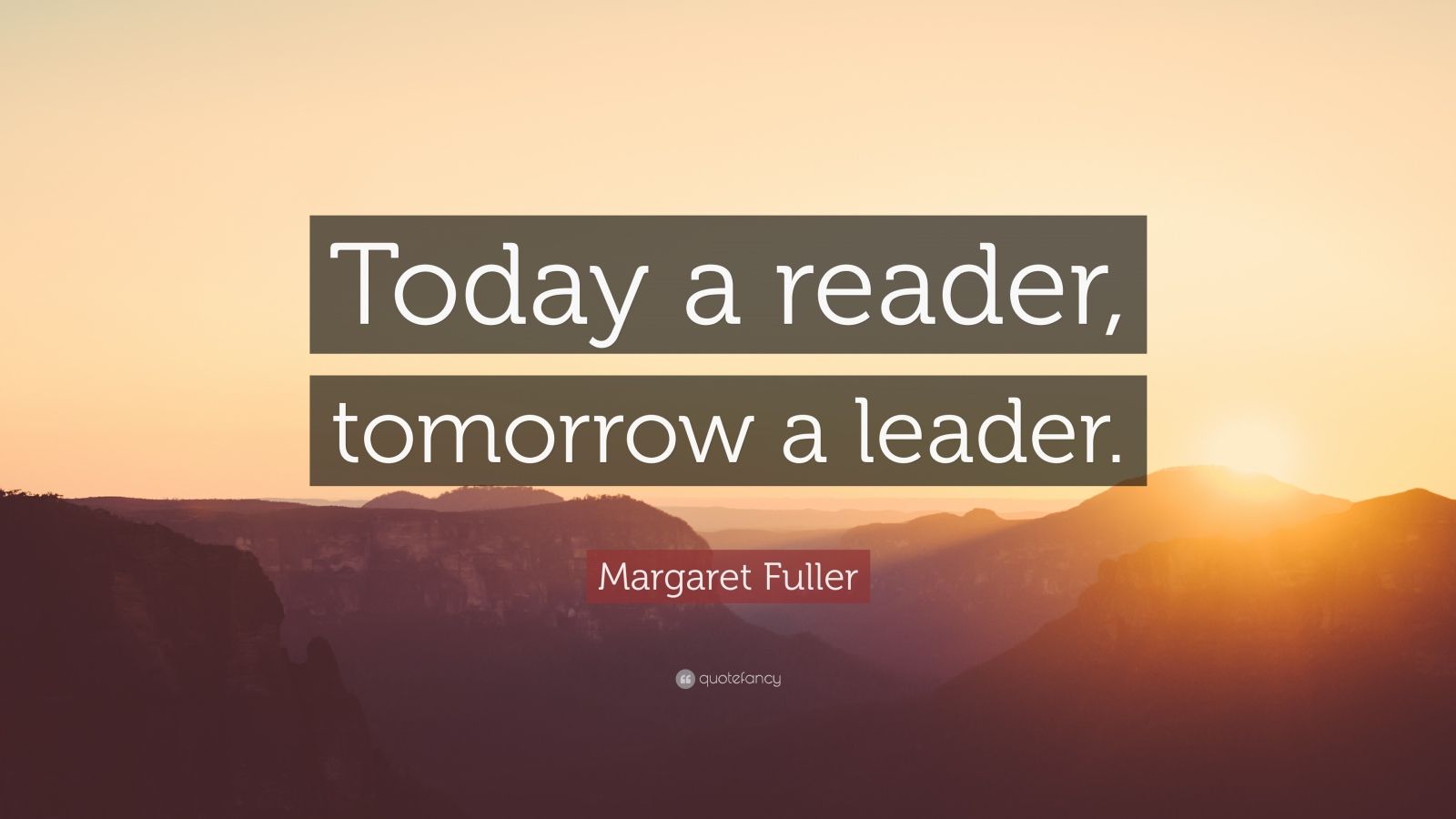 (By Clara B, Freeman). Many who should be leaders are afraid to step up and become what they know in the bosoms of their existence, is their supernatural calling. It’s so much easier to remain followers. I don’t believe leaders are born, I think they are made to see things differently than others. I think leaders ‘see’ what others can’t even fathom.
 Embraceable Mind