Dysautonomia—an invisible disorder—disrupts the very basics of life: heart rate, blood pressure, digestion, breathing. It doesn’t show on the outside, but it’s always there. Quiet. Relentless.
And yet—I stand.
I show up, not because it’s easy, but because I refuse to let this condition define me. Each sunrise reminds me: as long as I keep standing tall, I am still sailing forward.
This is what Embracable Mind is about. Finding strength in the unseen. Grace in the struggle. And resilience in the storm.
Whether you live with a chronic illness, support someone who does, or are simply navigating life’s unpredictable waves—you are not alone.
Let’s embrace the mind, the journey, and the fight together.
“Studies indicate that conditions like Postural Orthostatic Tachycardia Syndrome (POTS) and Neurocardiogenic Syncope are significantly more prevalent in women. Estimates suggest that approximately 80% of individuals diagnosed with dysautonomia are female”.
Even though I am a male living with a rare form of Dysautonomia was never the path I expected life to take me down. Yet for the past four years, it has been my daily reality—a quiet, relentless battle with a condition that most people have never heard of and even fewer truly understand. I live with severe neurogenic orthostatic hypotension, a condition where standing up can cause my blood pressure to plummet, leaving me dizzy, weak, or faint. It is a disabling condition made even harder by its invisibility.
Despite a regimen of treatments—midodrine, fludrocortisone, and droxidopa—relief remains elusive. In fact, droxidopa, though rare and promising for some, caused me dangerous side effects: sudden spikes in blood pressure as high as 220, alarming weakness on the right side of my body, and other complications that forced me to stop the medication altogether. These experiences aren’t just clinical—they’re frightening, isolating, and exhausting.
Even those closest to me sometimes struggle to understand the invisible toll this takes. When every movement is calculated, when standing feels risky, when even sitting upright for too long becomes a challenge—it is hard to explain that to a world that sees you as “looking fine.”
This foreword is not just about my journey. It’s for everyone living with misunderstood, invisible illnesses. Stabilizing blood pressure is more than a medical goal—it’s a fight for autonomy, dignity, and the ability to simply move through the day. If you’re living in that space too, I hope the strategies in this guide offer more than information—I hope they offer solidarity, strength, and a reminder: you are not alone.
Studies indicate that conditions like Postural Orthostatic Tachycardia Syndrome (POTS) and Neurocardiogenic Syncope are significantly more prevalent in women. Estimates suggest that approximately 80% of individuals diagnosed with dysautonomia are female.
Understanding the Gravity–Blood Pressure Connection
Gravity naturally pulls blood downward when a person stands, reducing blood return to the heart and brain. In healthy individuals, the baroreceptor reflex detects this drop and compensates by increasing heart rate and constricting blood vessels. But in those with autonomic impairment, this response is delayed or insufficient, causing symptoms such as dizziness or fainting. Common culprits include:
Orthostatic Hypotension (OH): A significant drop in blood pressure upon standing due to autonomic failure or medication side effects.
Postural Orthostatic Tachycardia Syndrome (POTS): Characterized by rapid heart rate increases upon standing, often with blood pressure instability.
Hypertension with Positional Variability: High blood pressure complicated by sudden drops when standing.
Dysautonomia: A broader term for autonomic nervous system dysfunction affecting blood pressure regulation.
Proven Strategies to Stabilize Blood Pressure
1. Change Positions Gradually
Sit up slowly before standing. Pause between movements to allow your body to adjust and reduce risk of sudden drops.
2. Use Compression Garments
Waist-high compression stockings or abdominal binders help prevent blood pooling in the lower body, supporting stable circulation.
3. Maintain Hydration
Aim for 2–2.5 liters of fluids per day. Use electrolyte-rich drinks when necessary, especially after exercise or in warm climates.
4. Engage in Physical Activity
Moderate, regular exercise improves vascular tone and autonomic response but with the low BP it’s a challenge. Focus on low-impact activities like walking I chose to do this in large shopping malls or city environment where easy access to SEATING AREA‘s, Or controlled exercises that do not cause orthostatic stress, such as reclined exercises like stretches, yoga and gentle weight lifting done from a seated or laying down position, recumbent biking, rowing, and swimming.
6. Consider Medications
Prescription that work for me options include:
Fludrocortisone to increase fluid retention
Midodrine to constrict blood vessels
7. Avoid Large Meals
Large meals redirect blood flow to digestion, which can lower overall blood pressure. Choose smaller, more frequent meals.
8. Use Caffeine Strategically
In small amounts, caffeine may temporarily raise blood pressure. Monitor your body’s response and avoid overuse.
9. Manage Stress and Mental Health
Stress and anxiety are powerful disruptors of cardiovascular balance. Practices like deep breathing, mindfulness, meditation, yoga, and tai chi calm the nervous system and boost overall cardiovascular resilience. Prioritizing emotional wellness is key to managing the physiological stress of blood pressure fluctuations.
Monitoring and Long-Term Management
Regular tracking empowers better management:
Check blood pressure lying down, then again after 1 and 3 minutes standing.
Keep a log of readings and symptoms to identify trends.
Share results regularly with your healthcare provider for more precise treatment planning.
Conclusion
Gravity is an unavoidable force that influences blood pressure regulation, especially during position changes. For individuals with conditions such as orthostatic hypotension, POTS, or autonomic dysfunction, this natural force can trigger daily challenges like dizziness, fatigue, and fainting. But gravity is not the only factor—mental and emotional stress often compound the problem, creating a cycle of tension and instability that undermines the body’s ability to self-regulate.
When the body is under chronic mental strain, it produces hormonal responses that can destabilize blood pressure, particularly in vulnerable individuals. That’s why emotional well-being is not optional—it’s essential. With a commitment to self-care, education, and consistent medical support, it’s possible to reclaim stability, one step at a time.
In essence, while gravity may test your body, unchecked stress tests your resilience. But both can be met with knowledge, preparation, and compassion. With the right tools and mindset, you can take back control, steady your blood pressure, and move through life with greater confidence and stability.
If you’re living in that space too, I hope the strategies in this guide offer more than information—I hope they offer solidarity, strength, and a reminder: you are not alone. just leave a message!!!
In a world that often feels divided, let today be a reminder that love is more than just romance—it is kindness, empathy, and connection. Love is the thread that binds us together, helping us see beyond differences and appreciate the true value of friendship, family, and understanding.
This day is not just about grand gestures but about the simple moments of care we show one another. It is a chance to teach and inspire the next generation to build meaningful relationships, cherish family bonds, and nurture emotional intelligence in a way that makes the world a little brighter.
May we all take a moment today to celebrate love in all its forms and let it guide us toward a future filled with more compassion and unity.
Narcissistic older people (including Presidents) who find new love or success often feel “reborn” and act like they’ve defied aging. They thrive on admiration, overestimate their abilities, and ignore limits, believing they are special. They might push too hard, chasing youth through relationships, big projects, or even their appearance. But when reality sets in—whether through rejection, failure, or physical decline—they often crash hard. Instead of adapting, they blame others, get angry, or spiral into reckless behavior. Because their self-worth depends on external validation, they struggle to cope with aging, making their downfall more dramatic and painful.
In comparison, an old car and a narcissistic older person both run their best right before they fail. They push hard, feel invincible, and ignore the warning signs. The car feels smooth because its worn parts are at their loosest. Similarly, the narcissist thrives on one last rush of admiration, energy, or love. But underneath, both are on borrowed time. When the final breakdown arrives, it is sudden. Its effects are often irreversible—a seized engine or a shattered ego. Both crash after their last great ride.
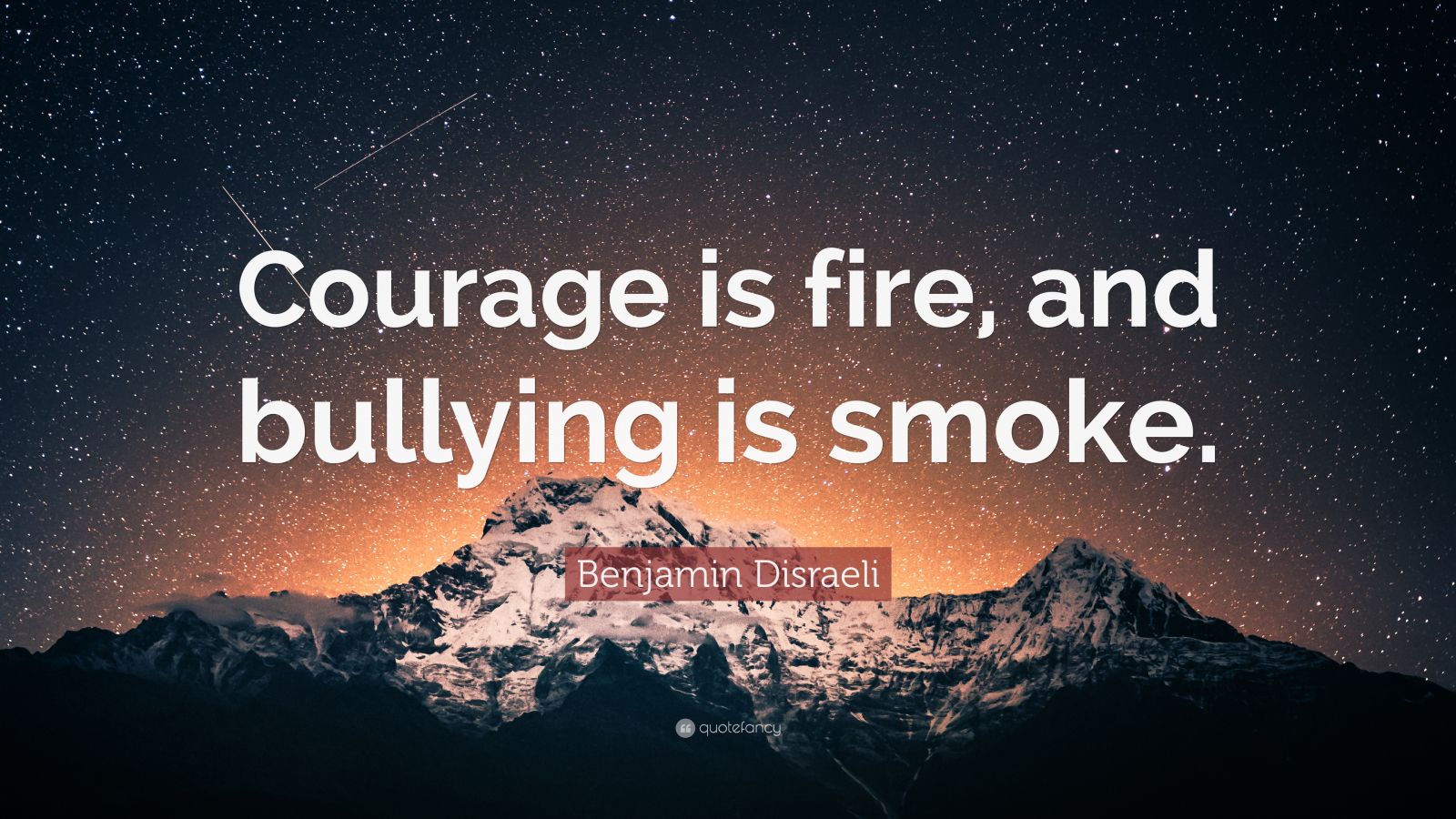
There was a time in high school when I was the target of a bully. Day after day, he and his group singled me out, thinking I was weak, an easy target. Like many others, I tolerated it for a while, maybe out of fear, maybe because I thought ignoring them would make them lose interest. But bullies don’t stop on their own. They feed on intimidation, on the idea that no one will fight back.
Then, one day, something inside me changed. I had had enough. Without even thinking, I found a strength I didn’t know existed. I struck back, and to my own surprise, I knocked him out cold. In that moment, everything shifted. The bully and his crew never came back to challenge me again.
That day, I learned something powerful: fear is what keeps bullies in control. Once you break that fear, once you stand your ground, they lose their power over you. From that moment on, I was never afraid of being bullied again—not physically, not in life, not in any way. I understood that real strength doesn’t come from size or force—it comes from within.
But as I look at the world today, I see a different reality. Bullies don’t just back down like they used to. Many retaliate in ways we never imagined before—violence, social humiliation, even online harassment that follows people home. It’s no longer just a schoolyard fight; it’s a world were standing up to the wrong person can bring serious consequences. That’s why courage today needs to be paired with wisdom.
The lesson I learned still holds true: strength comes from within. But in today’s world, standing up to a bully isn’t just about fighting back—it’s about knowing when to stand your ground and when to walk away, when to use your voice and when to seek support. The fight isn’t always physical, but the battle for self-respect, dignity, and courage is still the same.
Bullies exist in all walks of life, but the most important thing I’ve learned. They only win if you let them.
this John Waters’ quote about not being with someone who doesn’t have books can really show us why banning books is a bad idea. It tells us that books are important for learning, growing as a person, and understanding different cultures. Banning books goes against all these good things because it stops us from learning and thinking freely.
John Waters’ famous quote, “If you go home with somebody, and they don’t have books, don’t fuck ’em,” emphasizes the importance of books as a symbol of intellect, curiosity, and cultural engagement. This perspective can be compellingly used to argue against book bans by highlighting several key points:
Intellectual Engagement: Waters’ quote suggests that books are fundamental to intellectual and personal development. Banning books, therefore, can be seen as stifling intellectual growth and curiosity—qualities that should be celebrated, not restricted.
Cultural Openness: Books expose readers to diverse ideas, cultures, and philosophies. Using Waters’ viewpoint, one could argue that book bans limit this exposure, promoting cultural insularity and ignorance rather than openness and understanding.
Personal Freedom: The quote can be interpreted as championing personal choice and freedom—qualities that book bans directly oppose. By suggesting that a lack of books is a dealbreaker, Waters indirectly champions the freedom to choose what one reads, implying that any form of censorship is a hindrance to personal freedom.
Dialogue and Debate: Books often spark important conversations about societal issues. Waters’ emphasis on the presence of books as a criterion for intimacy suggests that intellectual discourse is vital to personal relationships. Book bans, in contrast, shut down these conversations, promoting a monologue instead of a dialogue.
Educational Value: Books are essential tools for education and self-improvement. Arguing against book bans using Waters’ quote can highlight how such bans deprive individuals of the opportunity to learn and grow from diverse literary sources.
“In that moment, may you find that the universe unveils its sublime beauty. Let us cherish now, for it is the only certainty we own.” inspired by Co Co
In a world where humility is often prized above self-recognition, we sometimes forget the importance of acknowledging our own strengths. It’s a common misconception that recognizing our abilities equates to boasting. However, understanding and appreciating our capabilities is crucial for personal growth, self-confidence, and genuine humility.
Take, for example, the art of listening. It’s a skill often overlooked, yet I take pride in my ability to truly hear others and provide thoughtful, empathetic advice. This isn’t just about being a good listener; it’s about creating a space where people feel valued and understood.
Similarly, creativity and problem-solving are strengths that I hold dear. Thinking outside the box isn’t just a cliché; it’s a unique approach to life’s challenges, fostering innovation and unconventional solutions.
Another aspect of my personal strength is adaptability – the capacity to learn quickly and adjust to new situations or information. It’s like being a chameleon, seamlessly blending into various environments while maintaining one’s essence.
These strengths remind me of a majestic tree in a vast forest. The tree stands tall, deeply rooted in the earth, enduring storms and basking in sunlight. Its branches aspire to touch the sky, symbolizing growth and ambition, while its leaves dance gracefully in the wind, reflecting adaptability and resilience.
Strength, in its essence, is both beautiful and divine. It’s the quiet assurance of a mountain, unwavering and steadfast. It’s the gentle, yet powerful flow of a river, shaping its path through persistence and patience. Strength isn’t always loud or visible; it’s often found in quiet perseverance and in those moments of gentle encouragement we offer to others.
However, strength is also about acknowledging our vulnerabilities. Like the majestic tree, what appears strong and resilient on the outside may still experience challenges and storms. Recognizing our inner strength doesn’t mean we ignore our struggles; rather, it means we confront them with courage and openness.
In conclusion, understanding and vocalizing our strengths is not just self-affirmation; it’s a journey of self-discovery. It’s about realizing that strength isn’t just in the overt displays of power but also in the subtle moments of endurance, creativity, and empathy. It’s a reminder that we all possess an inner light, guiding us through life’s journey, helping us to weather storms and reach for the skies.
Spirituality can be a powerful source of motivation and solace for individuals seeking to manage stress, anxiety, and depression. It provides a sense of purpose, inner peace, and a framework for understanding life’s challenges. Here my personal story in which spirituality can serve as motivation and support for my challenging health condition dysautonomia what autoimmune disease with many unknowns and invisible, yet highly disabling.
Those who know me as being a realist and optimistic in nature. Even though being confronted with health issues, especially if the condition is unknown and invisible, yet highly disabling making it such a challenging time. Navigating the healthcare system with a complex, often misunderstood condition like in my case dysautonomia or any autoimmune disease can be incredibly frustrating and emotionally draining. I learned – many individuals with these conditions often feel isolated, misunderstood, or dismissed, especially when the symptoms aren’t immediately visible or easily quantifiable.
With my optimism and realism in the face of adversity giving me the push moving forward to search for a solution. It’s essential to remember that while medical science has made incredible advancements, there is still much that we don’t know or fully understand. That said, as awareness of conditions like dysautonomia and autoimmune diseases grows, so do the resources and support available to those affected.
In my perspective on treatment – focusing on symptom suppression and maintaining quality of life – is for me the best direction. Fully understanding that while the journey can be tough, every day offers an opportunity for understanding, growth, and hopefully support.
Lastly, I believe my story and experience can be an inspiration to others going through similar struggles. Sharing my journey, as I’m doing here, can be therapeutic for myself and beneficial for others who are trying to navigate the challenges of an autoimmune disease or dysautonomia. I believe my resilience and hope are evident, and my audience find guidance and wisdom in this chapter.
Final Note: It’s important to note I am not a professional, therapists or counselor I just share my spirituality what is a deeply personal and individualized journey to encourage others to believe there is hope in life. What works as motivation and support can vary greatly from person to person. The emotional toll of chronic illnesses can be heavy. Seeking support from a therapist or counselor who understands chronic illness or has experience with health psychology can be beneficial.
Spirituality often encourages gratitude for the blessings in one’s life. Cultivating a grateful mindset can shift focus away from stressors and promote a positive outlook, motivating individuals to persevere.
Living in the present and embracing the “here and now” can lead to a more fulfilling and balanced life. Dwelling on the past or worrying excessively about the future can rob us of the joy and experiences available to us in the present moment. Here are a few reasons why living in the present and enjoying life is essential:
Gratitude: Being present allows us to appreciate the things we have in our lives right now, fostering a sense of gratitude for the present moment.
Mindfulness: Staying in the present helps us become more aware of our thoughts and feelings, leading to improved mindfulness and self-awareness.
Reduced Stress: Worrying about the future can create unnecessary stress, while dwelling on the past can lead to regret and sadness. Being present can help alleviate this anxiety and promote a sense of calm.
Enhanced Experiences: When we focus on the present, we fully immerse ourselves in the experiences and opportunities that come our way, leading to richer and more meaningful moments.
Improved Relationships: Being present when spending time with loved ones helps us connect on a deeper level and fosters stronger relationships.
Personal Growth: By being in the present, we can better focus on our goals and aspirations, taking steps towards personal growth and development.
While it’s essential to learn from the past and plan for the future, living in the present is about finding a healthy balance and not letting ourselves get trapped in unnecessary worry or nostalgia. Embracing the present moment allows us to make the most of our lives and savor the beauty and opportunities that surround us every day.








 Embraceable Mind