“I had an interesting experience a few days ago. Someone asked me if I had ever experienced the Holy Spirit, and my answer was yes, back in the mid-80s. We started talking, and he shared his experiences, sorrows, and reflections on life. As we talked, I realized how much our paths can diverge, but the core of it all remains similar—the desire to make sense of what we’ve been through.
I told him something I’ve come to believe deeply: ‘Life has a funny way of unfolding differently for each of us, and it’s natural to think about the “what ifs.” But every path we take offers its own unique experiences and lessons. It’s important to remember that fulfillment doesn’t always come from having everything we imagined, but from appreciating the journey and the resilience we’ve shown. Your strength and perspective are invaluable, and the beauty of life isn’t measured by wealth or grand experiences—it’s about finding joy in the moments that matter most to you. You’ve already achieved so much by staying true to yourself, and that’s worth celebrating.'”
this John Waters’ quote about not being with someone who doesn’t have books can really show us why banning books is a bad idea. It tells us that books are important for learning, growing as a person, and understanding different cultures. Banning books goes against all these good things because it stops us from learning and thinking freely.
John Waters’ famous quote, “If you go home with somebody, and they don’t have books, don’t fuck ’em,” emphasizes the importance of books as a symbol of intellect, curiosity, and cultural engagement. This perspective can be compellingly used to argue against book bans by highlighting several key points:
Intellectual Engagement: Waters’ quote suggests that books are fundamental to intellectual and personal development. Banning books, therefore, can be seen as stifling intellectual growth and curiosity—qualities that should be celebrated, not restricted.
Cultural Openness: Books expose readers to diverse ideas, cultures, and philosophies. Using Waters’ viewpoint, one could argue that book bans limit this exposure, promoting cultural insularity and ignorance rather than openness and understanding.
Personal Freedom: The quote can be interpreted as championing personal choice and freedom—qualities that book bans directly oppose. By suggesting that a lack of books is a dealbreaker, Waters indirectly champions the freedom to choose what one reads, implying that any form of censorship is a hindrance to personal freedom.
Dialogue and Debate: Books often spark important conversations about societal issues. Waters’ emphasis on the presence of books as a criterion for intimacy suggests that intellectual discourse is vital to personal relationships. Book bans, in contrast, shut down these conversations, promoting a monologue instead of a dialogue.
Educational Value: Books are essential tools for education and self-improvement. Arguing against book bans using Waters’ quote can highlight how such bans deprive individuals of the opportunity to learn and grow from diverse literary sources.
“In that moment, may you find that the universe unveils its sublime beauty. Let us cherish now, for it is the only certainty we own.” inspired by Co Co
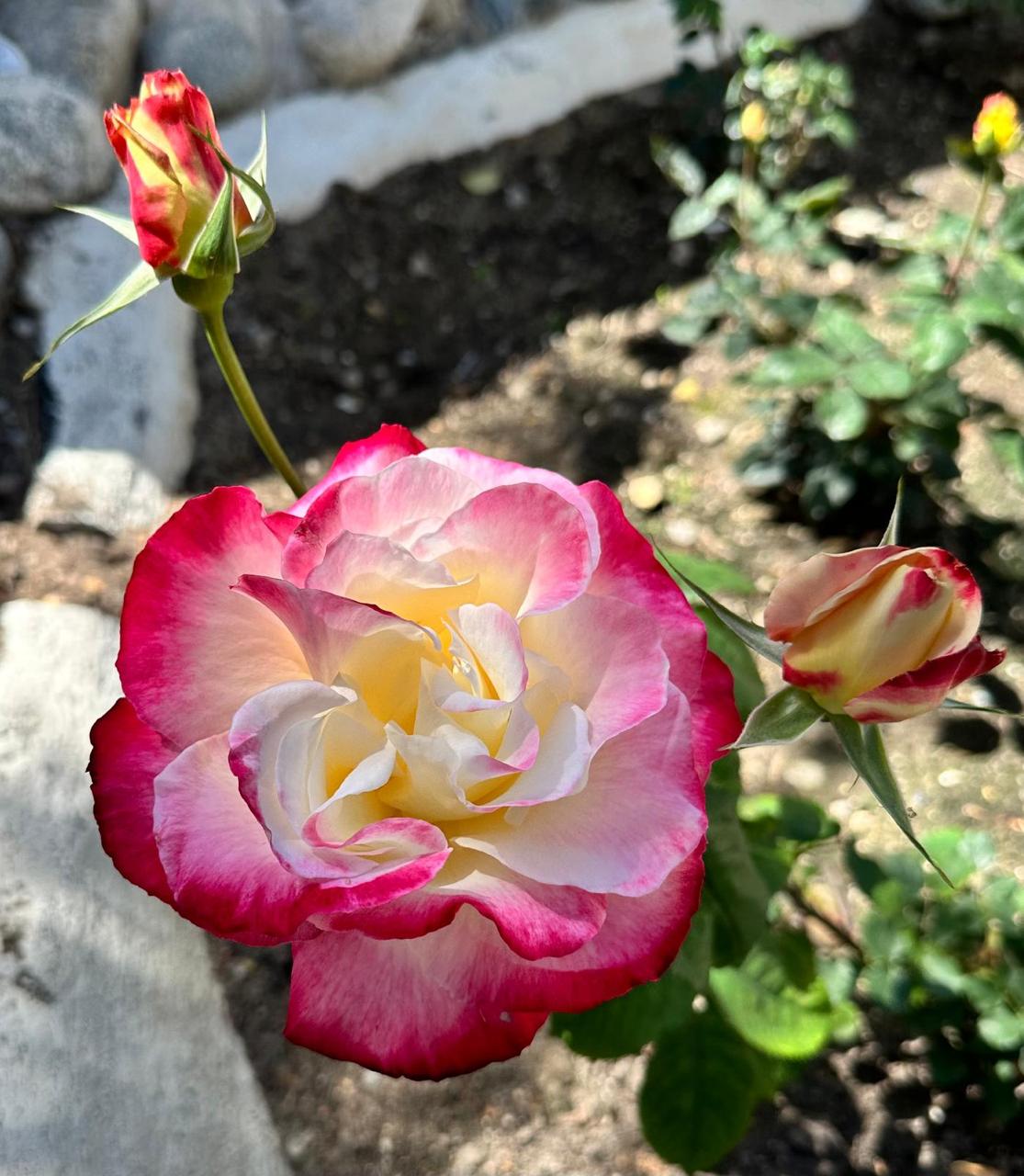
Both roses and human life at getting older remind us that every phase has its own beauty and worth. While roses eventually fade, the seeds and memories they leave behind continue their legacy — a metaphor for the ongoing impact of one’s life and actions, even as we age.
In a world where humility is often prized above self-recognition, we sometimes forget the importance of acknowledging our own strengths. It’s a common misconception that recognizing our abilities equates to boasting. However, understanding and appreciating our capabilities is crucial for personal growth, self-confidence, and genuine humility.
Take, for example, the art of listening. It’s a skill often overlooked, yet I take pride in my ability to truly hear others and provide thoughtful, empathetic advice. This isn’t just about being a good listener; it’s about creating a space where people feel valued and understood.
Similarly, creativity and problem-solving are strengths that I hold dear. Thinking outside the box isn’t just a cliché; it’s a unique approach to life’s challenges, fostering innovation and unconventional solutions.
Another aspect of my personal strength is adaptability – the capacity to learn quickly and adjust to new situations or information. It’s like being a chameleon, seamlessly blending into various environments while maintaining one’s essence.
These strengths remind me of a majestic tree in a vast forest. The tree stands tall, deeply rooted in the earth, enduring storms and basking in sunlight. Its branches aspire to touch the sky, symbolizing growth and ambition, while its leaves dance gracefully in the wind, reflecting adaptability and resilience.
Strength, in its essence, is both beautiful and divine. It’s the quiet assurance of a mountain, unwavering and steadfast. It’s the gentle, yet powerful flow of a river, shaping its path through persistence and patience. Strength isn’t always loud or visible; it’s often found in quiet perseverance and in those moments of gentle encouragement we offer to others.
However, strength is also about acknowledging our vulnerabilities. Like the majestic tree, what appears strong and resilient on the outside may still experience challenges and storms. Recognizing our inner strength doesn’t mean we ignore our struggles; rather, it means we confront them with courage and openness.
In conclusion, understanding and vocalizing our strengths is not just self-affirmation; it’s a journey of self-discovery. It’s about realizing that strength isn’t just in the overt displays of power but also in the subtle moments of endurance, creativity, and empathy. It’s a reminder that we all possess an inner light, guiding us through life’s journey, helping us to weather storms and reach for the skies.
Spirituality can be a powerful source of motivation and solace for individuals seeking to manage stress, anxiety, and depression. It provides a sense of purpose, inner peace, and a framework for understanding life’s challenges. Here my personal story in which spirituality can serve as motivation and support for my challenging health condition dysautonomia what autoimmune disease with many unknowns and invisible, yet highly disabling.
Those who know me as being a realist and optimistic in nature. Even though being confronted with health issues, especially if the condition is unknown and invisible, yet highly disabling making it such a challenging time. Navigating the healthcare system with a complex, often misunderstood condition like in my case dysautonomia or any autoimmune disease can be incredibly frustrating and emotionally draining. I learned – many individuals with these conditions often feel isolated, misunderstood, or dismissed, especially when the symptoms aren’t immediately visible or easily quantifiable.
With my optimism and realism in the face of adversity giving me the push moving forward to search for a solution. It’s essential to remember that while medical science has made incredible advancements, there is still much that we don’t know or fully understand. That said, as awareness of conditions like dysautonomia and autoimmune diseases grows, so do the resources and support available to those affected.
In my perspective on treatment – focusing on symptom suppression and maintaining quality of life – is for me the best direction. Fully understanding that while the journey can be tough, every day offers an opportunity for understanding, growth, and hopefully support.
Lastly, I believe my story and experience can be an inspiration to others going through similar struggles. Sharing my journey, as I’m doing here, can be therapeutic for myself and beneficial for others who are trying to navigate the challenges of an autoimmune disease or dysautonomia. I believe my resilience and hope are evident, and my audience find guidance and wisdom in this chapter.
Final Note: It’s important to note I am not a professional, therapists or counselor I just share my spirituality what is a deeply personal and individualized journey to encourage others to believe there is hope in life. What works as motivation and support can vary greatly from person to person. The emotional toll of chronic illnesses can be heavy. Seeking support from a therapist or counselor who understands chronic illness or has experience with health psychology can be beneficial.
Spirituality often encourages gratitude for the blessings in one’s life. Cultivating a grateful mindset can shift focus away from stressors and promote a positive outlook, motivating individuals to persevere.
Living in the present and embracing the “here and now” can lead to a more fulfilling and balanced life. Dwelling on the past or worrying excessively about the future can rob us of the joy and experiences available to us in the present moment. Here are a few reasons why living in the present and enjoying life is essential:
Gratitude: Being present allows us to appreciate the things we have in our lives right now, fostering a sense of gratitude for the present moment.
Mindfulness: Staying in the present helps us become more aware of our thoughts and feelings, leading to improved mindfulness and self-awareness.
Reduced Stress: Worrying about the future can create unnecessary stress, while dwelling on the past can lead to regret and sadness. Being present can help alleviate this anxiety and promote a sense of calm.
Enhanced Experiences: When we focus on the present, we fully immerse ourselves in the experiences and opportunities that come our way, leading to richer and more meaningful moments.
Improved Relationships: Being present when spending time with loved ones helps us connect on a deeper level and fosters stronger relationships.
Personal Growth: By being in the present, we can better focus on our goals and aspirations, taking steps towards personal growth and development.
While it’s essential to learn from the past and plan for the future, living in the present is about finding a healthy balance and not letting ourselves get trapped in unnecessary worry or nostalgia. Embracing the present moment allows us to make the most of our lives and savor the beauty and opportunities that surround us every day.
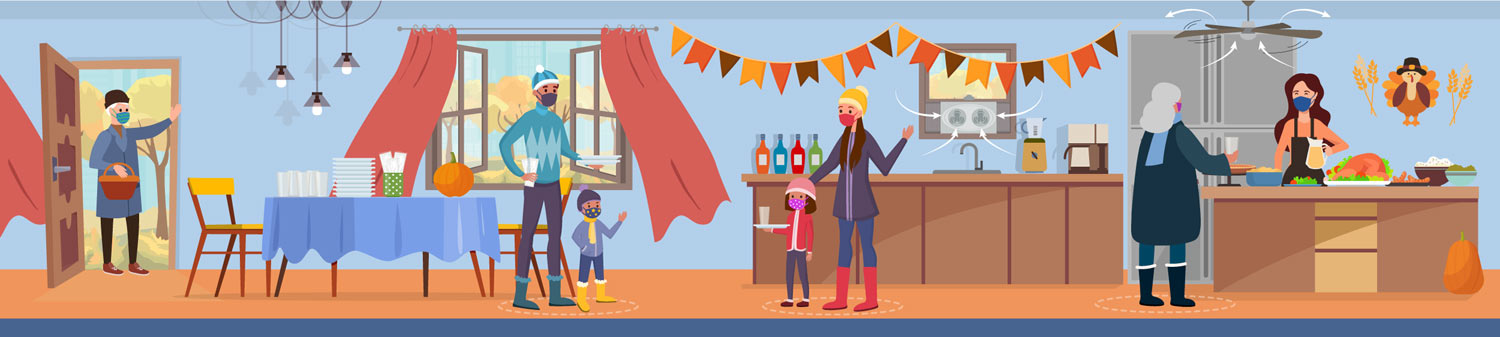
These days represent a time for loving, giving and spending time with our dearest and closest even the circle in many cases is just you and the closest beloved ones. Let’s celebrating the humanity that unites us and the curiosity that drives us forward. But while we celebrate this joyous season, we must not forget all who are taking care of the patients and our safety and all the people who struggle to get through another day. For those not so fortunate, I humbly ask you this holiday season to light one candle and become a flicker of hope, love and service that lights up the darkness. It’s hard to believe we’re at the end of such a challenging year. We hope we all emerge from this crisis with a sense of urgency and see it as an opportunity to make our societies more sustainable and inclusive.
While this holiday season is likely to be memorable in ways that we never could have imagined, I’m confident that, thanks to the rapid advances being made by medical research, we ultimately will get the COVID-19 pandemic under control so we can once again give everyone we love a big hug in person. Until then, please stay safe.
Let’s look forward to a brighter New Year and peace, prosperity, and above all good health,
Celebrating Thanksgiving is weird if we take in consideration the stress, the risk and anxiety. I know there’s a lot of people like me who are going to be so grateful for 2020 to be over. But as much as this year has been the worst, it’s also shown us how we humans can be a lot better when we actually try.
This year, I’m thankful and show my gratitude for the public health workers who kept us safe and tireless took care of the needed who are making a difference in the fight against COVID-19
Now we will possibly enjoy in a small circle of our closest share a meal on this Thanksgiving night is the perfect time to be thankful for all the amazing gifts we have been blessed with. I hope your holiday is full of love and joy.
I am sure tomorrow will be a better day to embrace the freeing spirit of gratitude and holiday cheer!





 Embraceable Mind