
“Studies indicate that conditions like Postural Orthostatic Tachycardia Syndrome (POTS) and Neurocardiogenic Syncope are significantly more prevalent in women. Estimates suggest that approximately 80% of individuals diagnosed with dysautonomia are female”.
Even though I am a male living with a rare form of Dysautonomia was never the path I expected life to take me down. Yet for the past four years, it has been my daily reality—a quiet, relentless battle with a condition that most people have never heard of and even fewer truly understand. I live with severe neurogenic orthostatic hypotension, a condition where standing up can cause my blood pressure to plummet, leaving me dizzy, weak, or faint. It is a disabling condition made even harder by its invisibility.
Despite a regimen of treatments—midodrine, fludrocortisone, and droxidopa—relief remains elusive. In fact, droxidopa, though rare and promising for some, caused me dangerous side effects: sudden spikes in blood pressure as high as 220, alarming weakness on the right side of my body, and other complications that forced me to stop the medication altogether. These experiences aren’t just clinical—they’re frightening, isolating, and exhausting.
Even those closest to me sometimes struggle to understand the invisible toll this takes. When every movement is calculated, when standing feels risky, when even sitting upright for too long becomes a challenge—it is hard to explain that to a world that sees you as “looking fine.”
This foreword is not just about my journey. It’s for everyone living with misunderstood, invisible illnesses. Stabilizing blood pressure is more than a medical goal—it’s a fight for autonomy, dignity, and the ability to simply move through the day. If you’re living in that space too, I hope the strategies in this guide offer more than information—I hope they offer solidarity, strength, and a reminder: you are not alone.
Studies indicate that conditions like Postural Orthostatic Tachycardia Syndrome (POTS) and Neurocardiogenic Syncope are significantly more prevalent in women. Estimates suggest that approximately 80% of individuals diagnosed with dysautonomia are female.
Understanding the Gravity–Blood Pressure Connection
Gravity naturally pulls blood downward when a person stands, reducing blood return to the heart and brain. In healthy individuals, the baroreceptor reflex detects this drop and compensates by increasing heart rate and constricting blood vessels. But in those with autonomic impairment, this response is delayed or insufficient, causing symptoms such as dizziness or fainting. Common culprits include:
- Orthostatic Hypotension (OH): A significant drop in blood pressure upon standing due to autonomic failure or medication side effects.
- Postural Orthostatic Tachycardia Syndrome (POTS): Characterized by rapid heart rate increases upon standing, often with blood pressure instability.
- Hypertension with Positional Variability: High blood pressure complicated by sudden drops when standing.
- Dysautonomia: A broader term for autonomic nervous system dysfunction affecting blood pressure regulation.
Proven Strategies to Stabilize Blood Pressure
1. Change Positions Gradually
Sit up slowly before standing. Pause between movements to allow your body to adjust and reduce risk of sudden drops.
2. Use Compression Garments
Waist-high compression stockings or abdominal binders help prevent blood pooling in the lower body, supporting stable circulation.
3. Maintain Hydration
Aim for 2–2.5 liters of fluids per day. Use electrolyte-rich drinks when necessary, especially after exercise or in warm climates.
4. Engage in Physical Activity
Moderate, regular exercise improves vascular tone and autonomic response but with the low BP it’s a challenge. Focus on low-impact activities like walking I chose to do this in large shopping malls or city environment where easy access to SEATING AREA‘s, Or controlled exercises that do not cause orthostatic stress, such as reclined exercises like stretches, yoga and gentle weight lifting done from a seated or laying down position, recumbent biking, rowing, and swimming.
6. Consider Medications
Prescription that work for me options include:
- Fludrocortisone to increase fluid retention
- Midodrine to constrict blood vessels
7. Avoid Large Meals
Large meals redirect blood flow to digestion, which can lower overall blood pressure. Choose smaller, more frequent meals.
8. Use Caffeine Strategically
In small amounts, caffeine may temporarily raise blood pressure. Monitor your body’s response and avoid overuse.
9. Manage Stress and Mental Health
Stress and anxiety are powerful disruptors of cardiovascular balance. Practices like deep breathing, mindfulness, meditation, yoga, and tai chi calm the nervous system and boost overall cardiovascular resilience. Prioritizing emotional wellness is key to managing the physiological stress of blood pressure fluctuations.
Monitoring and Long-Term Management
Regular tracking empowers better management:
- Check blood pressure lying down, then again after 1 and 3 minutes standing.
- Keep a log of readings and symptoms to identify trends.
- Share results regularly with your healthcare provider for more precise treatment planning.
Conclusion
Gravity is an unavoidable force that influences blood pressure regulation, especially during position changes. For individuals with conditions such as orthostatic hypotension, POTS, or autonomic dysfunction, this natural force can trigger daily challenges like dizziness, fatigue, and fainting. But gravity is not the only factor—mental and emotional stress often compound the problem, creating a cycle of tension and instability that undermines the body’s ability to self-regulate.
When the body is under chronic mental strain, it produces hormonal responses that can destabilize blood pressure, particularly in vulnerable individuals. That’s why emotional well-being is not optional—it’s essential. With a commitment to self-care, education, and consistent medical support, it’s possible to reclaim stability, one step at a time.
In essence, while gravity may test your body, unchecked stress tests your resilience. But both can be met with knowledge, preparation, and compassion. With the right tools and mindset, you can take back control, steady your blood pressure, and move through life with greater confidence and stability.
If you’re living in that space too, I hope the strategies in this guide offer more than information—I hope they offer solidarity, strength, and a reminder: you are not alone. just leave a message!!!
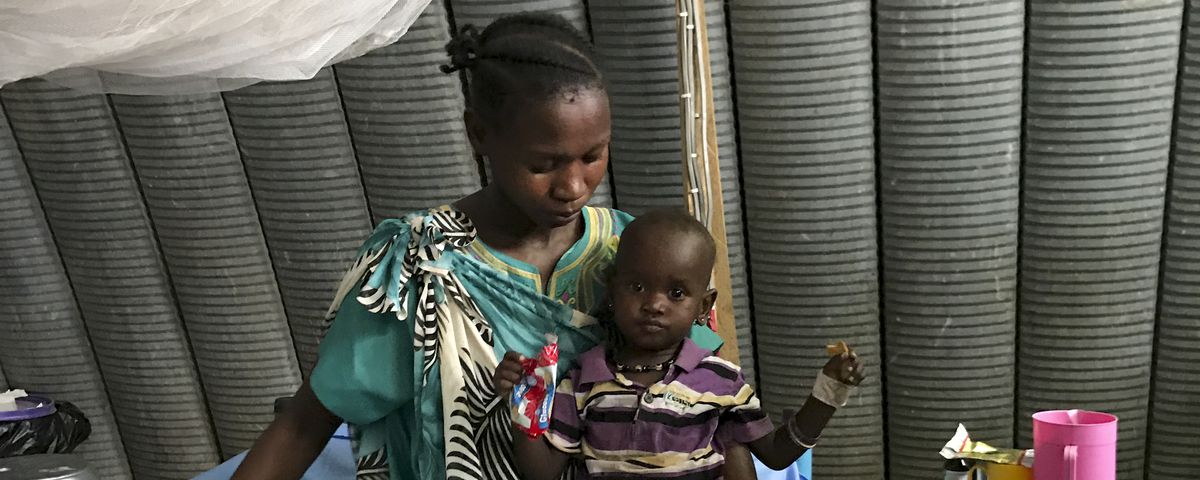 We share the same humanity, we share our need for purpose, identity and community – even if we prefer our own company and solitude. Our lives consist of ebb and flow, coming and going, life and death. We may struggle to make our mark, to make ends meet, to be creative and fulfilled. We have dreams, hopes, disappointments, drama and trauma. Often, we look from afar to others for support and guidance, and are attracted by their creative expression, wisdom and aura. “We absolutely have to tell the world, show the world, that there is a collective responsibility to act. We share the same humanity and we cannot continue to allow economic wars to be fought on women’s bodies.”




 Embraceable Mind