Dysautonomia—an invisible disorder—disrupts the very basics of life: heart rate, blood pressure, digestion, breathing. It doesn’t show on the outside, but it’s always there. Quiet. Relentless.
And yet—I stand.
I show up, not because it’s easy, but because I refuse to let this condition define me. Each sunrise reminds me: as long as I keep standing tall, I am still sailing forward.
This is what Embracable Mind is about. Finding strength in the unseen. Grace in the struggle. And resilience in the storm.
Whether you live with a chronic illness, support someone who does, or are simply navigating life’s unpredictable waves—you are not alone.
Let’s embrace the mind, the journey, and the fight together.
“Studies indicate that conditions like Postural Orthostatic Tachycardia Syndrome (POTS) and Neurocardiogenic Syncope are significantly more prevalent in women. Estimates suggest that approximately 80% of individuals diagnosed with dysautonomia are female”.
Even though I am a male living with a rare form of Dysautonomia was never the path I expected life to take me down. Yet for the past four years, it has been my daily reality—a quiet, relentless battle with a condition that most people have never heard of and even fewer truly understand. I live with severe neurogenic orthostatic hypotension, a condition where standing up can cause my blood pressure to plummet, leaving me dizzy, weak, or faint. It is a disabling condition made even harder by its invisibility.
Despite a regimen of treatments—midodrine, fludrocortisone, and droxidopa—relief remains elusive. In fact, droxidopa, though rare and promising for some, caused me dangerous side effects: sudden spikes in blood pressure as high as 220, alarming weakness on the right side of my body, and other complications that forced me to stop the medication altogether. These experiences aren’t just clinical—they’re frightening, isolating, and exhausting.
Even those closest to me sometimes struggle to understand the invisible toll this takes. When every movement is calculated, when standing feels risky, when even sitting upright for too long becomes a challenge—it is hard to explain that to a world that sees you as “looking fine.”
This foreword is not just about my journey. It’s for everyone living with misunderstood, invisible illnesses. Stabilizing blood pressure is more than a medical goal—it’s a fight for autonomy, dignity, and the ability to simply move through the day. If you’re living in that space too, I hope the strategies in this guide offer more than information—I hope they offer solidarity, strength, and a reminder: you are not alone.
Studies indicate that conditions like Postural Orthostatic Tachycardia Syndrome (POTS) and Neurocardiogenic Syncope are significantly more prevalent in women. Estimates suggest that approximately 80% of individuals diagnosed with dysautonomia are female.
Understanding the Gravity–Blood Pressure Connection
Gravity naturally pulls blood downward when a person stands, reducing blood return to the heart and brain. In healthy individuals, the baroreceptor reflex detects this drop and compensates by increasing heart rate and constricting blood vessels. But in those with autonomic impairment, this response is delayed or insufficient, causing symptoms such as dizziness or fainting. Common culprits include:
Orthostatic Hypotension (OH): A significant drop in blood pressure upon standing due to autonomic failure or medication side effects.
Postural Orthostatic Tachycardia Syndrome (POTS): Characterized by rapid heart rate increases upon standing, often with blood pressure instability.
Hypertension with Positional Variability: High blood pressure complicated by sudden drops when standing.
Dysautonomia: A broader term for autonomic nervous system dysfunction affecting blood pressure regulation.
Proven Strategies to Stabilize Blood Pressure
1. Change Positions Gradually
Sit up slowly before standing. Pause between movements to allow your body to adjust and reduce risk of sudden drops.
2. Use Compression Garments
Waist-high compression stockings or abdominal binders help prevent blood pooling in the lower body, supporting stable circulation.
3. Maintain Hydration
Aim for 2–2.5 liters of fluids per day. Use electrolyte-rich drinks when necessary, especially after exercise or in warm climates.
4. Engage in Physical Activity
Moderate, regular exercise improves vascular tone and autonomic response but with the low BP it’s a challenge. Focus on low-impact activities like walking I chose to do this in large shopping malls or city environment where easy access to SEATING AREA‘s, Or controlled exercises that do not cause orthostatic stress, such as reclined exercises like stretches, yoga and gentle weight lifting done from a seated or laying down position, recumbent biking, rowing, and swimming.
6. Consider Medications
Prescription that work for me options include:
Fludrocortisone to increase fluid retention
Midodrine to constrict blood vessels
7. Avoid Large Meals
Large meals redirect blood flow to digestion, which can lower overall blood pressure. Choose smaller, more frequent meals.
8. Use Caffeine Strategically
In small amounts, caffeine may temporarily raise blood pressure. Monitor your body’s response and avoid overuse.
9. Manage Stress and Mental Health
Stress and anxiety are powerful disruptors of cardiovascular balance. Practices like deep breathing, mindfulness, meditation, yoga, and tai chi calm the nervous system and boost overall cardiovascular resilience. Prioritizing emotional wellness is key to managing the physiological stress of blood pressure fluctuations.
Monitoring and Long-Term Management
Regular tracking empowers better management:
Check blood pressure lying down, then again after 1 and 3 minutes standing.
Keep a log of readings and symptoms to identify trends.
Share results regularly with your healthcare provider for more precise treatment planning.
Conclusion
Gravity is an unavoidable force that influences blood pressure regulation, especially during position changes. For individuals with conditions such as orthostatic hypotension, POTS, or autonomic dysfunction, this natural force can trigger daily challenges like dizziness, fatigue, and fainting. But gravity is not the only factor—mental and emotional stress often compound the problem, creating a cycle of tension and instability that undermines the body’s ability to self-regulate.
When the body is under chronic mental strain, it produces hormonal responses that can destabilize blood pressure, particularly in vulnerable individuals. That’s why emotional well-being is not optional—it’s essential. With a commitment to self-care, education, and consistent medical support, it’s possible to reclaim stability, one step at a time.
In essence, while gravity may test your body, unchecked stress tests your resilience. But both can be met with knowledge, preparation, and compassion. With the right tools and mindset, you can take back control, steady your blood pressure, and move through life with greater confidence and stability.
If you’re living in that space too, I hope the strategies in this guide offer more than information—I hope they offer solidarity, strength, and a reminder: you are not alone. just leave a message!!!
In a world that often feels divided, let today be a reminder that love is more than just romance—it is kindness, empathy, and connection. Love is the thread that binds us together, helping us see beyond differences and appreciate the true value of friendship, family, and understanding.
This day is not just about grand gestures but about the simple moments of care we show one another. It is a chance to teach and inspire the next generation to build meaningful relationships, cherish family bonds, and nurture emotional intelligence in a way that makes the world a little brighter.
May we all take a moment today to celebrate love in all its forms and let it guide us toward a future filled with more compassion and unity.
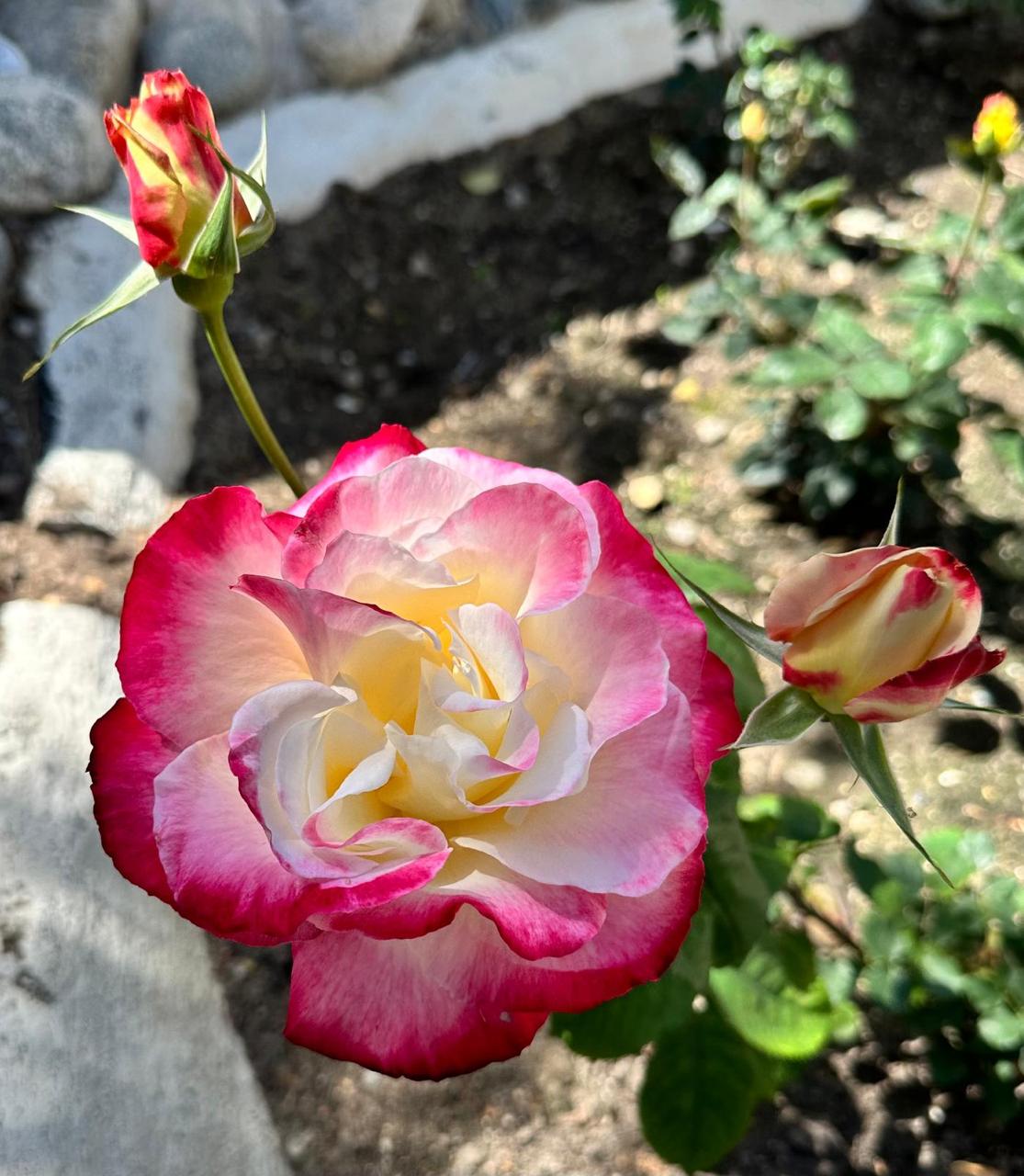
Both roses and human life at getting older remind us that every phase has its own beauty and worth. While roses eventually fade, the seeds and memories they leave behind continue their legacy — a metaphor for the ongoing impact of one’s life and actions, even as we age.
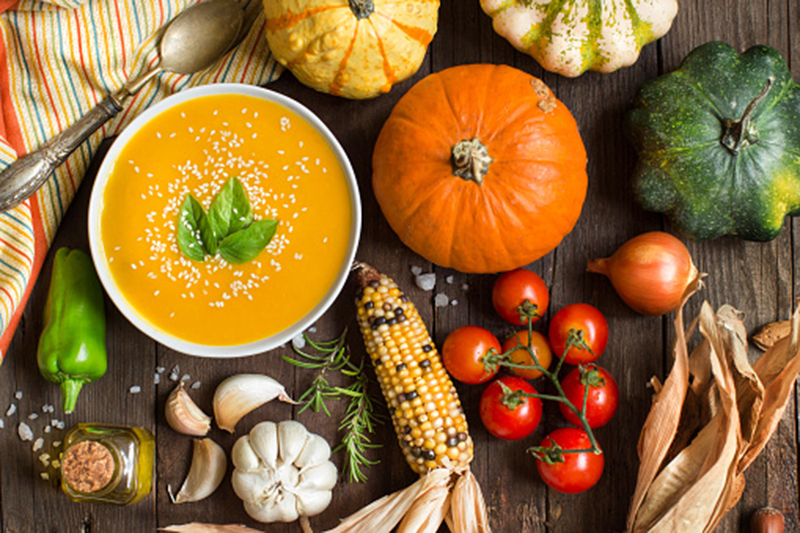
As we prepare to celebrate this holiday season with family and friends, we customarily take stock of those things in our lives for which we are grateful. As we count our blessings, we must also take note of what is happening beyond our borders.
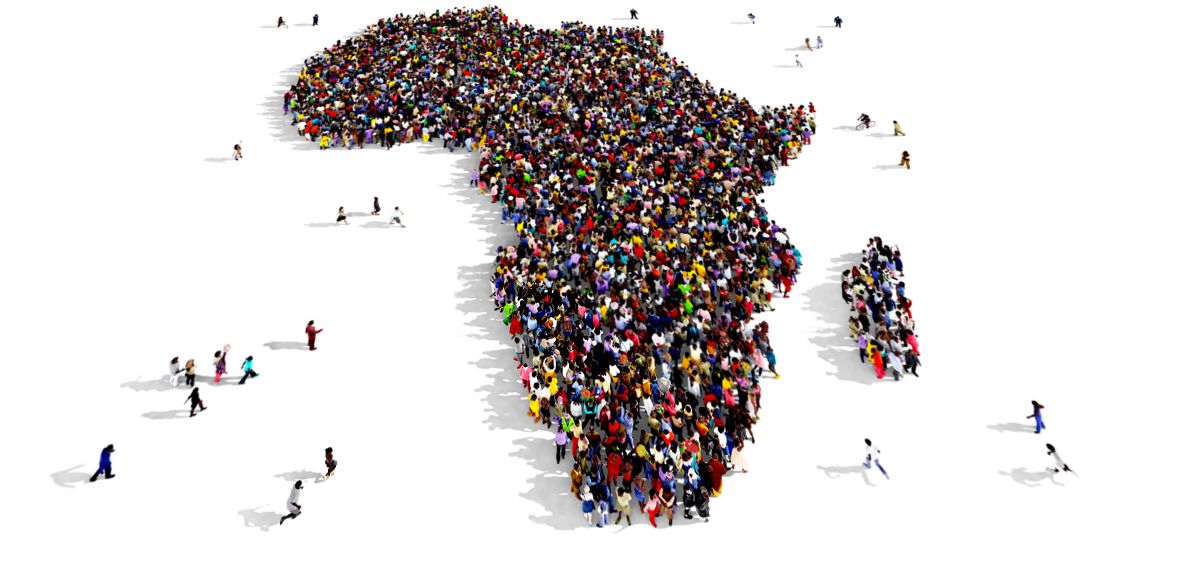
Today, more refugees than at any other time in history have fled unimaginable violence and persecution in search of safety and a more promising future for their children. Refugees need support now more than ever. Come join us to make power, communication, and access to knowledge a reality for those that need it most. And let’s consider what we could do more for those who have nothing.
It serves us well to remember that we are a country of refugees and a nation of immigrants. There is no better time to honor the legacy of welcoming the stranger than during this time of sharing and giving. Wishing our Friends and Family a Joyous Holiday filled with Peace, Love, and Prosperity. Best Wishes for a Healthy New Year!
Today is International Women’s Day and as such I would like to honor all the (professional) woman in my life, past and present, who have fueled, organized, and grown the businesses I have teamed up with over the course of my career. These women have enabled my personal and professional growth and have also allowed me to see the world through another’s eyes. For this, and the countless other ways these women enhance our businesses, our industries, our communities, and our lives, I thank them, today, and every day.
Every year I look back on the biggest challenges that life brings us but also looking at the greatest opportunities what came to us with thanks. Life never hands out things that you can’t handle. How you approach it will determine how you come through the other side. You can assume the victim role and feel sorry for yourself, or you can reach into the essence of who you are and find your inner strength. Then demand the self-worth and ability to rise up and meet your challenges heart on. You need to believe you can do this — you are powerful, you are amazing and you are inspirational!
Today we are giving thanks to all who have been supportive and kept us going from darkness to the ultimate light. From unconnected to be connected. This is just another year I praise to be surrounded by my beloved ones, my advisors and supporters, my team of smart developers and engineers and all those appreciated connections from around the world. Happy Thanksgiving. Thanks for your continued support @Kumbaya
We all have to recognise that we all have weaknesses. I know I do. But I’m never willing to let them defeat me, or get me down. I have always sought to turn my disadvantages into advantages. For example, my dyslexia taught me to think differently, and solve problems in a unique way.
Richard Branson A to Z of business: W is for Weakness
I became a really good delegator early in life, and learned to find and work with people whose strengths balance my weaknesses.
By surrounding myself with fantastic people, who are brilliant in the areas where I struggle, we’ve managed to grow Virgin into the global group of businesses that it is today.
Image from Chase Jarvis
So instead of covering up your weaknesses and trying to sweep them under the rug, acknowledge them and start thinking about ways that you can use them to really benefit you.
Imagine the 600 Million illiterate people living in the poorest, off-grid rural villages and neighborhoods in need of major change. While change began years ago with the proliferation of small home solar systems that provide energy access, today Kumbaya has laid the ground work for accessibility to not only the much-needed power and light, but also to “network connectivity’ that ensures access to the basic necessities to transform illiteracy in to knowledge. At Kumbaya, our focus is developing the technologies to ensure we have a platform that allows our user to acquire the necessary skills and basic education.
Why education? Despite great progress in the last few years, millions of children are still denied their right to education. Restricted access to education is one of the surest ways of transmitting poverty from generation to generation. Education is a vital human right. Every girl and every boy should have the right to a quality education so that they can have more opportunities in life, including employment, better health and the possibility to participate in the political process. At Kumbaya, we believe the most important period to acquire the basics are the first years. This is when we must ensure that children learn to read, count, and acquire the necessary life skills to form the basic fundaments for continued learning throughout their lives.
Children who have access to quality early childhood programs do better in primary school and will have better academic outcomes later. It is vital that low and lower middle-income nations invest more in affordable early childhood programs.
Our Kumbaya connected platform was designed for the most vulnerable and marginalized groups, those who are most likely living in rural off grid communities and affected because of a lack of electrification and connectivity. In most of these areas, the high illiteracy rates are due to non-existent or unsuitable education infrastructure, lack of trained teachers and inadequate learning materials.
We are often asked, “Why is educating girls in rural Africa your emphasis?”
Educated girls and women tend to be healthier, have fewer children, earn more income and provide better health care for themselves and their future children. These benefits also are transmitted from generation to generation and across communities at large, making girls’ education one of the best investments a country can make.



 As we prepare to celebrate this holiday season with family and friends, we customarily take stock of those things in our lives for which we are grateful. As we count our blessings, we must also take note of what is happening beyond our borders.

 Embraceable Mind